

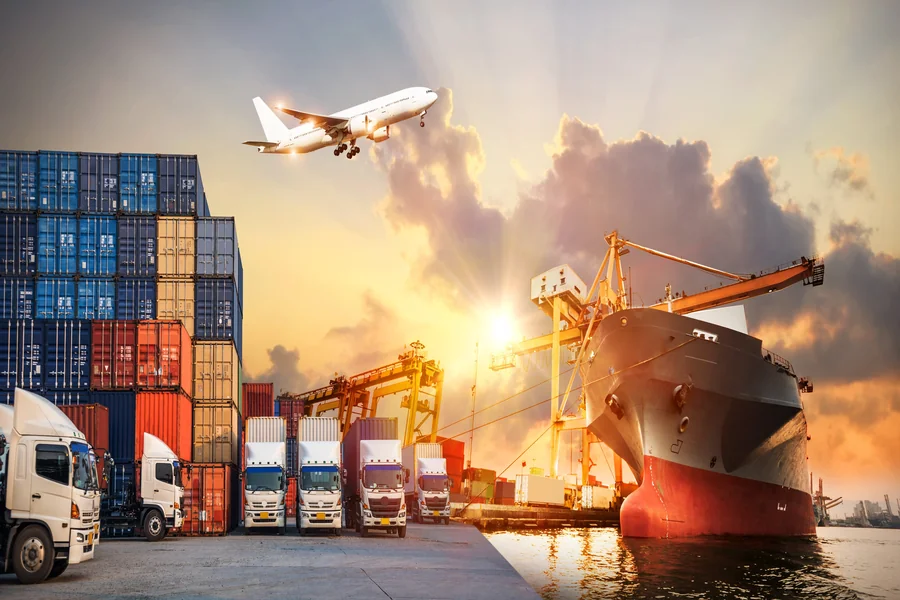
Moving freight from a factory floor to its final destination is a carefully coordinated process involving multiple stages, transport modes, and stakeholders. While it might seem as simple as loading goods onto a truck or plane, modern freight logistics relies on detailed planning, compliance, and real-time coordination to ensure shipments arrive safely, on time, and within budget.
Understanding how freight moves through the supply chain helps businesses make smarter decisions about costs, delivery timelines, and transport methods—especially when weighing options like air freight versus road freight early in the planning process.
Step 1: Production and Packaging at the Factory
The freight journey begins at the point of manufacture. Once goods are produced, they must be packaged to suit their transport method, handling requirements, and destination regulations. This stage typically involves:
- Selecting appropriate packaging to protect goods in transit
- Labelling cargo for identification, tracking, and compliance
- Palletising or containerising freight for efficient handling
Proper packaging is critical. Inadequate protection can lead to damage, delays, or rejected shipments further down the supply chain.
Step 2: Pickup and Origin Transport
After packaging, freight is collected from the factory or production facility. This is often referred to as “first-mile logistics” and usually involves road transport, even if the goods will later travel by air or sea. At this stage:
- Freight is loaded onto trucks or vans
- Documentation such as consignment notes and invoices is checked
- Timing is coordinated to meet warehouse cut-offs or flight schedules
Reliable first-mile transport ensures the rest of the journey stays on track.
Step 3: Consolidation and Warehousing
In many cases, freight doesn’t travel directly from factory to destination. Instead, it moves through a warehouse or consolidation hub where shipments are grouped with other cargo heading in the same direction. Warehousing allows for:
- Freight consolidation to reduce costs
- Temporary storage while awaiting onward transport
- Quality checks and documentation verification
This step is especially common in long-distance or interstate freight movements.
Step 4: Main Linehaul Transport
The linehaul stage is where freight covers the longest distance of its journey. Depending on urgency, cost, and cargo type, this may involve road, air, rail, or a combination of transport modes. Key considerations during linehaul include:
- Transit time requirements
- Freight size, weight, and handling needs
- Budget constraints and service reliability
Choosing the right transport method at this point can significantly affect delivery speed and overall logistics costs.
Step 5: Receiving at the Destination Hub
Once freight arrives near its destination, it is unloaded at a local depot, airport terminal, or distribution centre. Here, shipments are sorted and prepared for final delivery. This stage involves:
- Scanning and tracking updates
- Sorting freight by delivery route
- Address verification and delivery scheduling
Efficient destination handling reduces the risk of last-minute delays.
Step 6: Last-Mile Delivery
The final leg of the journey—known as last-mile delivery—is often the most complex. Freight is transported from the local hub directly to the end recipient, whether that’s a retail store, warehouse, or residential address. Challenges at this stage can include:
- Traffic congestion
- Restricted delivery windows
- Site access limitations
Clear communication and accurate delivery details are essential to ensure a smooth handover.
Step 7: Proof of Delivery and Completion
Once the freight is delivered, the process concludes with confirmation that the goods have arrived in good condition. Proof of delivery (POD) is recorded, and tracking systems are updated to close out the shipment. This final step provides:
- Accountability and transparency
- Confirmation for invoicing and records
- Data for future logistics optimisation
Why Understanding the Freight Journey Matters
Knowing how freight moves from factory to final destination helps businesses:
- Choose the most suitable transport options
- Reduce delays and unexpected costs
- Improve supply chain planning and reliability
By understanding each stage of the process, organisations can make informed decisions that balance speed, cost, and service quality—ensuring goods arrive exactly where they’re needed, when they’re needed.
