

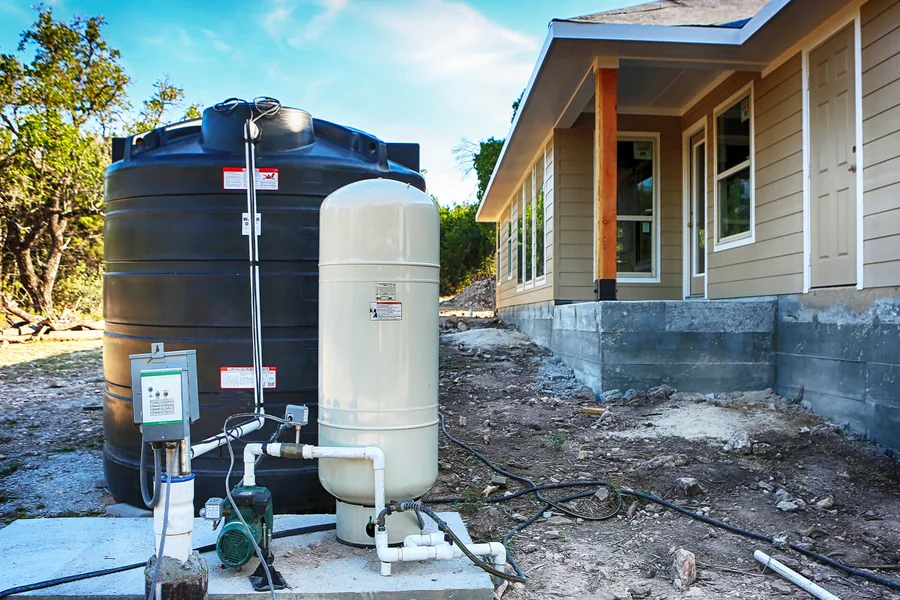
Many American households drink water from private wells, especially in rural and off-the-grid areas. These independent utilities are most reliable when extreme weather causes local supply disruptions, provided that stable electricity is still available to power the well pumps. They are also considered sustainable since they utilize groundwater, which can be treated by septic systems and channeled back to the soil.
Despite these advantages, well water still has risks. Let’s discuss the critical things you should know if your home relies on well water.
What’s In Your Well: Contaminants and Their Health Hazards
One of the most common misconceptions about water from wells is that it’s safe because it looks and tastes clean. In reality, numerous impurities can find their way into groundwater and are only detectable through proper testing. They can seep into wells through natural sources, aging infrastructure, and agricultural, commercial, or industrial activities.
All of these pollutants can pose serious health risks if undetected and untreated. Here’s a breakdown of the most common culprits and how they can affect your health if ingested or exposed to:
Microorganisms
Bacteria, parasites, and viruses are the most frequently found contaminants in private wells. Common examples include E. coli, Salmonella, and Norovirus. Runoff from melting snow and heavy rainfall can directly enter wells or leach into the ground.
Drinking water containing harmful microorganisms can trigger gastrointestinal illnesses like diarrhea, nausea, vomiting, and cramps. The pathogens can lead to more severe dehydration and life-threatening infections and conditions among vulnerable individuals, such as babies, senior citizens, and those with compromised immune systems.
Heavy Metals
These elements often contaminate well water through runoff, surface water, and groundwater movement. They usually come from natural mineral deposits, plumbing systems, municipal waste disposal, and industrial operations. Drinking water with significant heavy metal content can heighten the risks of acute and chronic toxicity, anemia, cancer, and damage to the liver, kidney, and intestines.
Nitrites and Nitrates
These inorganic compounds usually come from fertilizer runoff, septic system leakage, and animal waste. Once consumed, nitrates turn into nitrites, which can lead to serious health issues.
These elements are especially harmful for infants, as they can lead to blue baby syndrome. This condition interferes with the blood’s ability to deliver oxygen, causing the baby to fall severely ill and even die.
Fluoride
This element naturally occurs in rock formations, making it easy for it to permeate groundwater. Although critical to preventing tooth decay, excessive fluoride levels in the body can lead to skeletal fluorosis, wherein bones and joints hurt and become tender. If ingested while the tooth enamel is still forming, the fluoride can cause dental fluorosis, which discolors and pits teeth.
Organic Chemicals
These refer to chemicals from pesticides, disinfectants, petroleum, pharmaceuticals, and agricultural or industrial products. They often leach into groundwater through agricultural runoff, spills, or improper disposal. Exposure to or ingesting organic chemicals can damage the liver, kidneys, and nervous, circulatory, and reproductive systems, depending on the chemical and amount.
Radioactive Elements
Radionuclides like uranium, radium, and radon can occur naturally in rock and soil formations. They can also be found in nuclear power plants, coal, and uranium mining sites. When dissolved, they can easily mix in well water through floodwater, groundwater, or wastewater. Drinking water with radionuclides can increase the risk of various cancers, kidney diseases, and chronic illnesses.
Regular Water Testing: A Mandatory Task for Well Owners
Public agencies don’t monitor wells for water quality like they do for municipal systems. That means it’s up to you to monitor their water quality and ensure it’s clean and safe to consume. Routine testing is the only way to determine whether your well water is safe to consume.
So, make it a habit to conduct water quality tests on your private well at least once a year. However, it’s best to perform tests more often if your water comes from surface or shallow wells. There are numerous tests available to assess water quality and potability, such as those specific to the following:
- Bacteria, especially coliform varieties
- Hardness (water quality depending on its calcium and magnesium content)
- Ions
- Nitrates
- pH levels
- Total dissolved solids (the amount of dissolved organic and inorganic matter in water)
Moreover, it’s best to rely on a state-certified testing laboratory. That way, you can be sure they follow strict standards and provide reliable, comprehensive insights. Labs typically require homeowners to collect water samples and submit them for analysis. Still, asking for specific instructions is advisable to ensure you gather samples properly and that the test yields accurate results.
Get Your Well Water Tested
A private well can give you more control over your home’s water supply, but it also requires diligence, as even crystal-clear residential well water can harbor invisible threats. Regular testing is your first defense against harmful contaminants that could risk your family’s health. Doing so lets you identify and address water quality issues early on and enjoy access to clean, safe water in the long run.
If you’re unsure where to start with well water testing, don’t hesitate to contact certified labs, local health departments, or water testing service providers for help. They’ll be more than happy to answer your questions and provide the assistance you need.
