

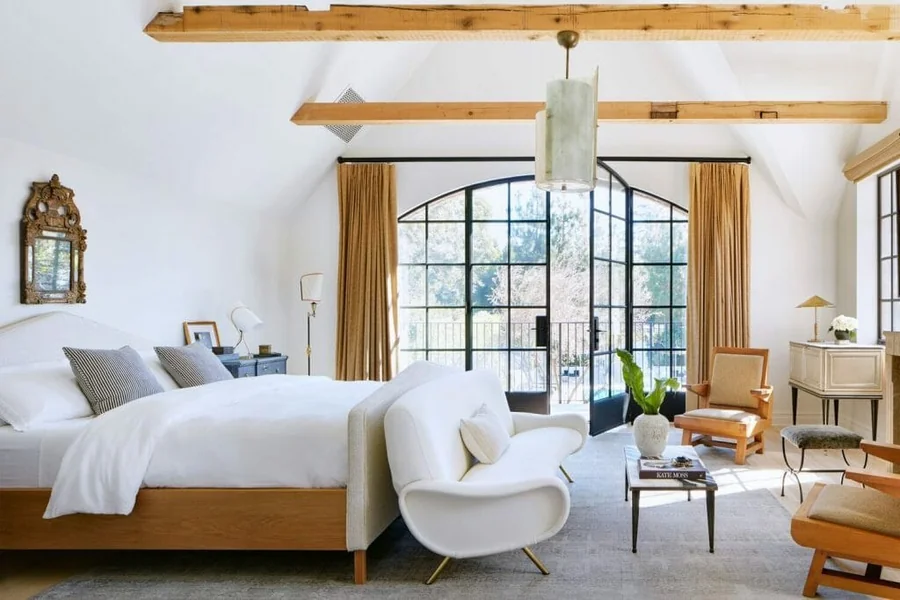
Decorating as a couple can be surprisingly tricky. It is one thing to choose furniture when only one person’s preferences are involved. It is another thing entirely when one person loves clean lines and muted tones, while the other gravitates towards colour, texture, vintage finds, or statement pieces. For many couples, the challenge is not a lack of ideas. It is figuring out how to make those ideas live together in a way that feels cohesive, comfortable, and genuinely reflective of both people.
The good news is that a beautifully designed home does not require identical taste. In fact, some of the most interesting interiors come from contrast. A home shaped by two perspectives often feels more layered, more personal, and far less predictable than one built around a single design preference. The key is learning how to blend styles without making the space feel confused or like a compromise nobody actually enjoys. Even a shared piece such as timeless black dining chairs can become a smart bridge between two aesthetics, grounding the room while leaving space for different textures, materials, and styling choices around it.
Start With Shared Priorities, Not Style Labels
One of the biggest mistakes couples make is starting with labels. One person says they like Scandinavian design. The other says they prefer industrial or coastal or mid-century. Suddenly, the conversation becomes a battle between categories rather than a discussion about how the home should actually feel and function.
A better starting point is to focus on shared priorities. Ask questions like: do we want the home to feel calm or energetic? Do we want it to be easy to maintain? Do we entertain often? Do we want the living room to feel polished, relaxed, or family-friendly? These kinds of questions move the conversation away from surface-level aesthetics and towards the atmosphere you both want to create.
Often, couples discover they agree more than they thought. One person may love bold furniture, while the other prefers restraint, but both might want the space to feel warm, welcoming, and uncluttered. That common ground becomes the foundation for every design decision that follows.
Understand the Difference Between Taste and Habit
Sometimes what looks like a style disagreement is actually a lifestyle disagreement. One partner may prefer minimal interiors because clutter makes them feel stressed. The other may love open shelving, layered décor, and collected pieces because those things make a home feel lived in and personal.
Recognising this difference matters. It stops the conversation from becoming too simplistic. Instead of arguing over whether a room should be “modern” or “traditional”, you can identify the real issue underneath. Maybe one person wants visual calm, while the other wants warmth and expression. Those goals are not opposites. They just need thoughtful planning.
This is where design becomes less about winning and more about translating each person’s needs into a space that works for both.
Create a Common Thread Through the Home
When a couple has very different tastes, cohesion becomes especially important. Without it, the home can quickly feel like two different personalities competing for attention. A common thread helps everything feel intentional.
That thread could be a consistent colour palette, a recurring material, a shared preference for natural finishes, or a balance of shapes repeated from room to room. It does not mean every piece has to match. It means there is something visually connecting the choices.
For example, one partner may love curved, softer forms while the other prefers darker, stronger details. A room can comfortably hold both if the colours remain grounded and the materials repeat with purpose. Black accents, warm timber, linen textures, or brushed metal finishes can act as linking elements that tie contrasting tastes together.
Let One Style Lead and the Other Add Depth
Trying to split every decision evenly can sometimes make a room feel uncertain. Instead, it often works better to let one overall style lead, then use the other person’s preferences to add depth and individuality.
For instance, a largely contemporary room can be made richer with vintage timber pieces, patterned textiles, or decorative objects that soften the clean lines. On the other hand, a more classic or eclectic space can benefit from modern lighting, streamlined seating, or simpler storage solutions that keep it feeling fresh.
This approach creates balance. One person’s style helps establish the framework, while the other prevents the room from feeling one-note. The result is usually far more dynamic than a perfectly symmetrical compromise.
Divide the Room Into “Big Decisions” and “Flexible Layers”
Not every design choice carries the same weight. Large furniture pieces, flooring, paint colours, and storage solutions shape the room most dramatically. Styling accessories, occasional chairs, artwork, cushions, and lighting details are often easier to adjust.
This distinction can make decision-making far easier for couples. Agree on the big decisions first. Choose foundational pieces that both people can live with and that suit the room practically. Then use the more flexible layers to express each person’s taste.
This method works especially well because it lowers the pressure. You do not need every decorative choice to appeal equally to both people. You just need the main structure of the room to feel balanced and functional, with enough flexibility for personality to show through.
Stop Thinking of Compromise as “Halfway”
A lot of couples assume compromise means meeting in the middle. In reality, the best interiors rarely feel like a watered-down midpoint between two stronger ideas. Good compromise is not about diluting taste. It is about combining the best parts of each perspective.
That might mean pairing sleek dining furniture with a more character-filled rug. It could mean a pared-back bedroom layered with tactile bedding and warmer bedside styling. It could mean choosing classic shapes in bolder finishes, or expressive pieces in a more restrained palette.
The goal is not for each person to lose something. The goal is for the home to gain something more interesting than either style would have delivered on its own.
Use Neutral Anchors to Reduce Friction
When tastes differ, neutral anchors can do a lot of heavy lifting. These are pieces that sit comfortably between styles and help calm stronger design opinions. Think sofas in timeless fabrics, dining tables in natural timber, rugs with subtle pattern, or cabinetry in versatile tones.
Neutral does not have to mean bland. It simply means dependable. These pieces create a base that allows more distinctive choices to sit around them without overwhelming the room. They also make it easier to evolve the space over time, which is important when couples are still refining how their tastes live together.
This is often why classic elements perform so well in shared homes. They provide enough design integrity to feel considered, but enough versatility to support different styling directions.
Give Each Person a Moment in the Space
A shared home should feel shared. One of the easiest ways to achieve that is to make sure each person can point to something in the room that feels like them. This does not mean turning the home into a checklist of equal representation. It means ensuring both people’s identities are visible.
That could be a favourite artwork, a reading chair, a side table chosen for character, or a shelving display that reflects one person’s love of objects and storytelling. These moments matter because they create emotional ownership. When people can see themselves in the space, they are far more likely to feel at ease in it.
Homes feel richer when they tell more than one story.
Agree on What You Both Dislike
Sometimes it is easier to decorate around mutual dislikes than mutual loves. If you both know you do not want the home to feel cold, overly formal, cluttered, fragile, or trend-driven, that gives you a strong filter for making decisions.
This shared list of “no thanks” can be surprisingly useful. It narrows options quickly and helps avoid purchases that will only create tension later. Even if your preferences differ, a clear sense of what does not belong in the home can keep the overall direction aligned.
Avoid “Revenge Decorating”
When decorating decisions drag on, it can be tempting for one person to make unilateral choices just to move things forward. This usually backfires. Buying a chair, lamp, or artwork without agreement may solve the immediate problem, but it often creates resentment and makes future decisions harder.
A better approach is to slow down and be selective. Shared spaces benefit from patience. It is far better to wait for the right piece than fill a room with items one person never liked in the first place. Decorating as a couple is not just about aesthetics. It is also about trust, collaboration, and building a home that feels fair.
Think Long-Term, Not Just Trend-First
When couples have different tastes, trend-driven choices can create even more conflict because trends often appeal strongly to one person while leaving the other unconvinced. Focusing on longevity is usually a more helpful lens.
Ask whether a piece will still feel right in a few years. Ask whether it works with the home you are building, not just the look currently dominating social media. Ask whether it has enough flexibility to move with your tastes as they evolve.
Shared homes tend to benefit from choices that are thoughtful rather than impulsive. Timeless foundations make room for experimentation without letting the overall design lose its sense of balance.
The Best Shared Spaces Feel Layered, Not Perfect
It is easy to imagine that a successful shared home should look seamless, as though every decision was obvious from the start. In reality, the best spaces often feel layered, negotiated, and slightly unexpected. They reflect conversation. They reflect adjustment. They reflect real life.
That is what makes them memorable.
A couple with different tastes does not have a decorating disadvantage. They have an opportunity to create a home with more contrast, more personality, and more depth. The aim is not to erase difference. It is to design around it intelligently.
When both people feel heard, when the space is anchored by shared priorities, and when style choices are made with generosity rather than ego, the result is a home that feels far more meaningful than a showroom-perfect room ever could. It feels lived in, individual, and genuinely yours.
