

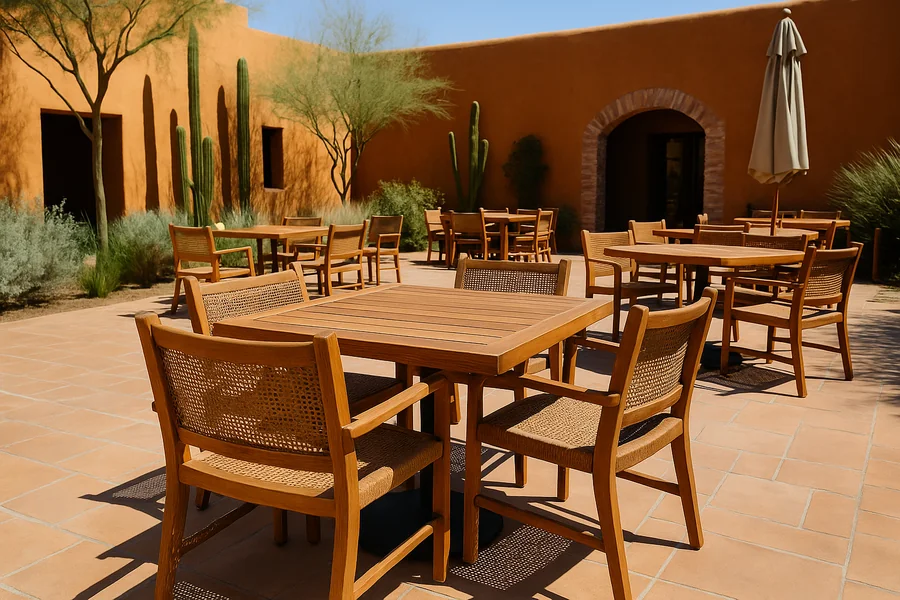
People usually remember a restaurant for the food, the service, the atmosphere, or the person they were sitting across from. But there’s another part of the experience that quietly influences all of that before the first plate even lands on the table: the furniture. A chair that feels comfortable enough to stay for dessert, a table that doesn’t wobble, a booth that gives a little privacy, or a bar stool that makes a quick drink feel relaxed can all shape how people feel in the space.
That’s why choosing commercial restaurant furniture for your venue isn’t just a styling decision. It’s a practical part of how the restaurant works. The right furniture supports the flow of service, matches the personality of the venue, and helps customers settle in without thinking too much about why they feel comfortable.
First Impressions Start Before The Menu
When someone walks into a restaurant, they take in the room almost instantly. They notice whether it feels warm, crowded, elegant, casual, noisy, intimate, or somewhere in between. Furniture plays a huge role in that first read. Timber tables might make a space feel relaxed and welcoming. Banquettes can create a sense of structure. Slimline chairs can make a small dining room feel less cramped. Statement stools or outdoor seating can tell people the venue doesn’t take itself too seriously.
The key is consistency. A restaurant doesn’t need to look expensive to feel considered, but it does need to feel intentional. If the furniture, lighting, layout and menu are all telling different stories, customers may not know exactly what feels off, but they’ll feel it.
Comfort Changes How Long People Stay
There’s a balance every venue has to find. Some spaces are built for quick turnover, while others want guests to linger over wine, share plates and order another round. Furniture helps set that pace. A fast lunch spot might need durable, easy-to-clean pieces that allow for efficient movement. A date-night restaurant may benefit from deeper seating, softer textures and tables that feel generous without wasting floor space.
Comfort doesn’t always mean plush. It means suitable. The chair should suit the length of the visit. The table height should work with the seating. The spacing should allow staff to move easily without guests feeling like they’re sitting in a walkway. When those details are right, the whole room works harder without looking like it’s trying.
Durability Matters More Than People Think
Restaurant furniture has a tougher life than furniture at home. It gets dragged, stacked, leaned on, spilled on, wiped down, bumped by bags, scraped by shoes and used by hundreds of people who aren’t thinking gently. Pieces that look good on day one need to keep performing months and years later.
That’s where commercial-grade choices matter. They’re designed with hospitality conditions in mind, which means strength, stability, cleanability and repeat use are part of the equation from the beginning. Cheap furniture can be tempting, especially during a fit-out, but replacing broken or tired-looking pieces too soon can end up costing more in the long run.
Layout Is Part Of The Experience
Good furniture also helps a restaurant use its space well. The right mix of tables, chairs, booths, stools and outdoor pieces can create zones for different types of customers. Couples, families, groups, solo diners and bar guests all use a venue differently. A flexible layout gives the team more options, especially when bookings shift or walk-ins arrive at awkward times.
The Best Furniture Feels Effortless
When restaurant furniture is chosen well, guests don’t sit there analysing it. They simply feel at ease. Staff can move smoothly, the room has personality, and the venue feels ready for the kind of experience it’s promising.
In that sense, furniture isn’t just filling space. It’s helping the restaurant tell its story, one table at a time.
