

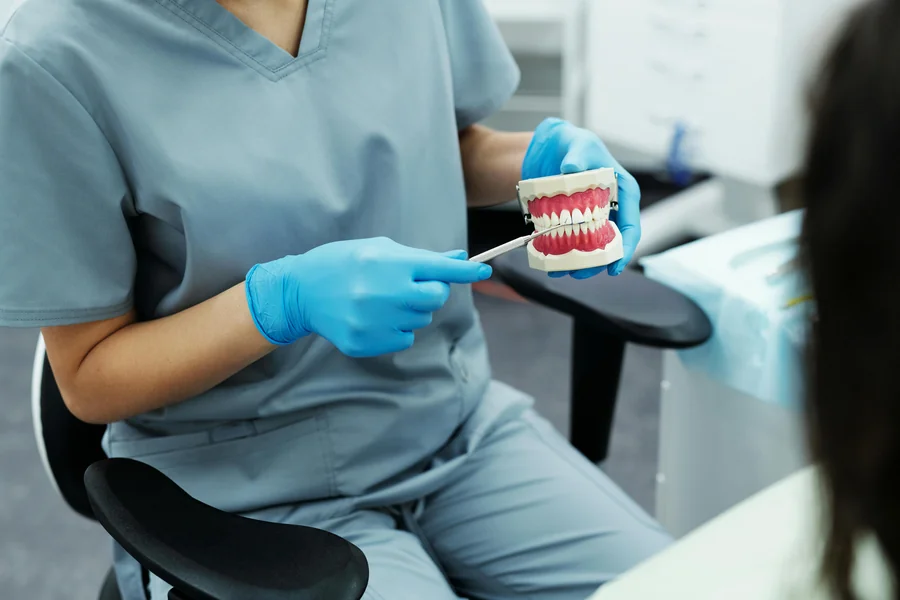
When it comes to oral health, preventive care is always better than waiting for problems to arise. This is especially true in special needs dentistry, where patients may face unique challenges that make routine visits and treatments more complex. Preventive dental care not only protects teeth and gums but also helps reduce stress, discomfort, and long-term medical complications for patients who may already have ongoing health concerns. Families and caregivers can play a powerful role in creating positive dental habits, but professional care makes the biggest difference.
Dentists who specialize in treating patients with special needs understand that preventive care is more than just brushing and flossing—it’s about building trust, creating comfort, and taking small, consistent steps to keep smiles healthy.
Building Comfort Through Early Care
For patients with special needs, the dentist’s office can feel overwhelming. Bright lights, new sounds, and unfamiliar tools may cause anxiety, which often makes it tempting to delay visits. However, starting preventive care early builds familiarity and comfort. Regular checkups give patients a chance to get used to the environment and the dentist’s routine in a gentle, non-threatening way.
When visits begin before there’s a painful issue, patients can associate the dentist with a calm and supportive experience rather than fear or discomfort. This early exposure can also help dentists identify small concerns before they become larger problems, avoiding stressful or complex procedures later. Over time, preventive visits become less about treatment and more about relationship-building, which eases the path to lifelong oral health.
Preventing Bigger Problems Before They Start
The main goal of preventive dental care is to stop cavities, gum disease, and oral infections before they happen. For many patients with special needs, these issues may develop faster due to challenges with daily brushing, diet restrictions, or medications that affect oral health. A cavity or infection that might be a minor inconvenience for some can become a serious health risk for others, especially those with additional medical conditions.
Simple steps like professional cleanings, fluoride treatments, and sealants can dramatically reduce the risk of serious dental problems. Preventive care also saves families from costly emergency visits and treatments that are harder for patients to tolerate. By staying ahead of problems, dentists make sure patients experience less pain, fewer disruptions, and a better overall quality of life.
Supporting Caregivers in Daily Routines
Preventive care doesn’t end at the dental office—it continues at home every day. Caregivers often take on the responsibility of ensuring proper brushing, flossing, and diet choices. Dentists who specialize in special needs dentistry understand these challenges and can provide personalized guidance to make daily routines easier and more effective.
For example, some patients may struggle with sensory sensitivities that make brushing uncomfortable. A dentist can recommend adaptive toothbrushes, softer bristles, or fun strategies that help patients tolerate the process better. Caregivers also gain valuable advice on nutrition, habits, and products that fit their loved one’s needs. This teamwork ensures that preventive care is consistent, both at home and in the clinic.
Reducing the Stress of Emergency Treatments
One of the greatest benefits of preventive dental care is avoiding the need for emergency visits. Emergency dental care can be stressful for any patient, but for those with special needs, it often means added fear, difficulty with cooperation, and even the need for sedation. These situations are hard on families and can place patients at unnecessary risk.
By investing in preventive care, families dramatically lower the chances of sudden dental emergencies. Routine checkups allow dentists to monitor changes over time and address small problems immediately. When preventive care is prioritized, patients avoid the trauma of sudden pain and the stress of unexpected procedures, keeping dental visits predictable and manageable.
Protecting Overall Health and Well-Being
Oral health doesn’t exist in isolation—it’s connected to the entire body. Untreated dental problems can affect speech, nutrition, and even self-confidence. For patients with special needs, maintaining healthy teeth and gums supports not just physical comfort but also emotional well-being. A healthy mouth makes eating easier, reduces the risk of infections, and can even improve social interactions.
Preventive dental care also reduces the need for invasive procedures, which can carry additional risks for patients with underlying medical conditions. By keeping oral health stable, families and caregivers help protect the overall health of their loved ones, making daily life more comfortable and enjoyable.
Conclusion
Preventive dental care in special needs dentistry goes far beyond cleaning teeth—it’s about building trust, preventing pain, supporting caregivers, and protecting overall health. With regular visits and consistent at-home care, patients can enjoy healthier smiles and less stressful dental experiences.
Dentists, like those at Valley Smile Care, who specialize in this area know that small, proactive steps today make an enormous difference in the future. By focusing on prevention, families give their loved ones not only stronger teeth but also the comfort, confidence, and well-being they deserve.
