

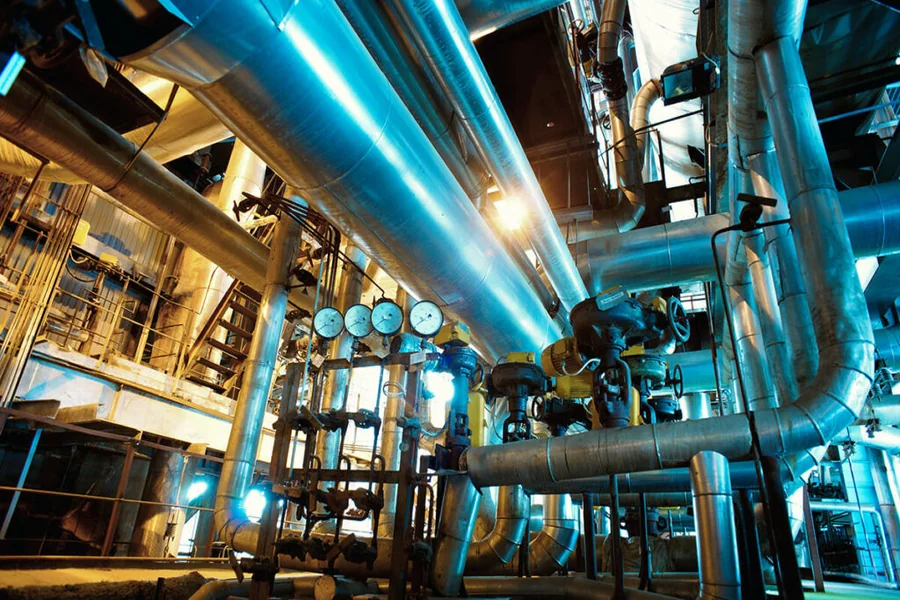
Industrial Sealing: Key to Efficiency, Safety, and Longevity
Effective sealing is essential in industrial operations to prevent leaks, contamination, and equipment failure. This article covers the basics of industrial sealing, common types, key benefits, and how to choose the right solution for your needs.
What Is Industrial Sealing?
Industrial sealing involves creating tight, leak-proof barriers between two surfaces or components in machinery or equipment. The purpose is to prevent the escape of fluids (liquids or gases), contain pressure, and protect internal components from external contaminants such as dirt, water, or chemicals. Seals are used in countless applications, including pumps, valves, pipelines, compressors, engines, turbines, and more. They ensure that systems operate safely, efficiently, and without unnecessary downtime.
Why Industrial Sealing Matters
Poor or worn-out seals can result in leaks and spills that pose safety hazards and environmental risks, energy loss that lowers system efficiency and raises costs, and component damage from dirt, moisture, or corrosive substances. They can also cause costly downtime due to repairs or replacements, leading to non-compliance in regulated industries where leakage must be strictly controlled. Choosing the right sealing solution is essential for performance and ensuring safety, regulatory compliance, and long-term cost-effectiveness.
Common Types of Industrial Sealing Solutions
There is no one-size-fits-all approach to industrial sealing. The right choice depends on the application, operating environment, pressure, temperature, and the fluids involved.
-
Gaskets
Gaskets are flat sealing components that create a seal between two stationary surfaces. They are often used in flanges, pipe joints, and machinery covers. Gaskets can be made from rubber, silicone, PTFE, metal, or graphite—each offering unique benefits for different environments.
-
O-Rings
O-rings are circular rubber seals placed in grooves to block the passage of fluids or gases. Depending on chemical compatibility, they’re widely used in hydraulic and pneumatic systems and come in materials like nitrile, Viton, or EPDM.
-
Mechanical Seals
Mechanical seals are complex devices used in rotating equipment like pumps and compressors. They prevent leakage between rotating and stationary parts and are critical in high-pressure or high-speed applications.
-
Lip Seals (Oil Seals)
Lip seals retain lubricants and exclude contaminants. Often seen in engines and gearboxes, they help extend equipment life by maintaining a clean, lubricated internal environment.
-
Compression Packings
Compression packing, commonly used in valve stems and pump shafts, involves braided materials compressed around a shaft to create a seal. Though less common in modern systems, it’s still used in certain industrial setups.
Choosing the Right Industrial Seal
Choosing the right seal requires matching it to your application’s temperature, pressure, fluid type, movement, material compatibility, and maintenance needs. A trusted supplier or expert can help ensure the best fit.
Materials Used in Industrial Seals
Seals come in a variety of materials, each with specific strengths:
- Rubber (NBR, EPDM, Viton): Great for flexibility and moderate chemical resistance.
- PTFE (Teflon): Chemically inert and ideal for aggressive chemical environments.
- Graphite: Excellent for high-temperature and high-pressure conditions; commonly used in power plants and chemical processing.
- Metal (Stainless Steel, Inconel): Used for durability and extreme condition performance.
Choosing the wrong material can lead to seal degradation and system failure, so proper selection is critical, as discussed in eeetimes.
Benefits of Quality Industrial Sealing
Investing in high-performance sealing components offers several long-term advantages:
- Leak prevention: Protects the workplace and environment from hazardous spills.
- Increased efficiency: Keeps systems running smoothly without fluid loss or pressure drops.
- Lower maintenance costs: Durable seals reduce the need for frequent replacements.
- Longer equipment life: Prevents damage caused by contaminants and friction.
- Regulatory compliance: Helps meet safety and environmental standards.
Trends in Industrial Sealing Technology
The industrial sealing industry is evolving with innovations like smart seals with real-time sensors, eco-friendly materials, advanced wear-resistant coatings, and custom solutions for specialized equipment, helping businesses boost uptime and reduce risk.
Ensure System Reliability
Industrial sealing is a vital safeguard for equipment, processes, and safety. The right seal ensures long-term performance in high-temperature, corrosive, or high-pressure environments. Partner with trusted experts and choose quality materials to keep your systems leak-free and efficient, because a small seal can prevent big problems.
